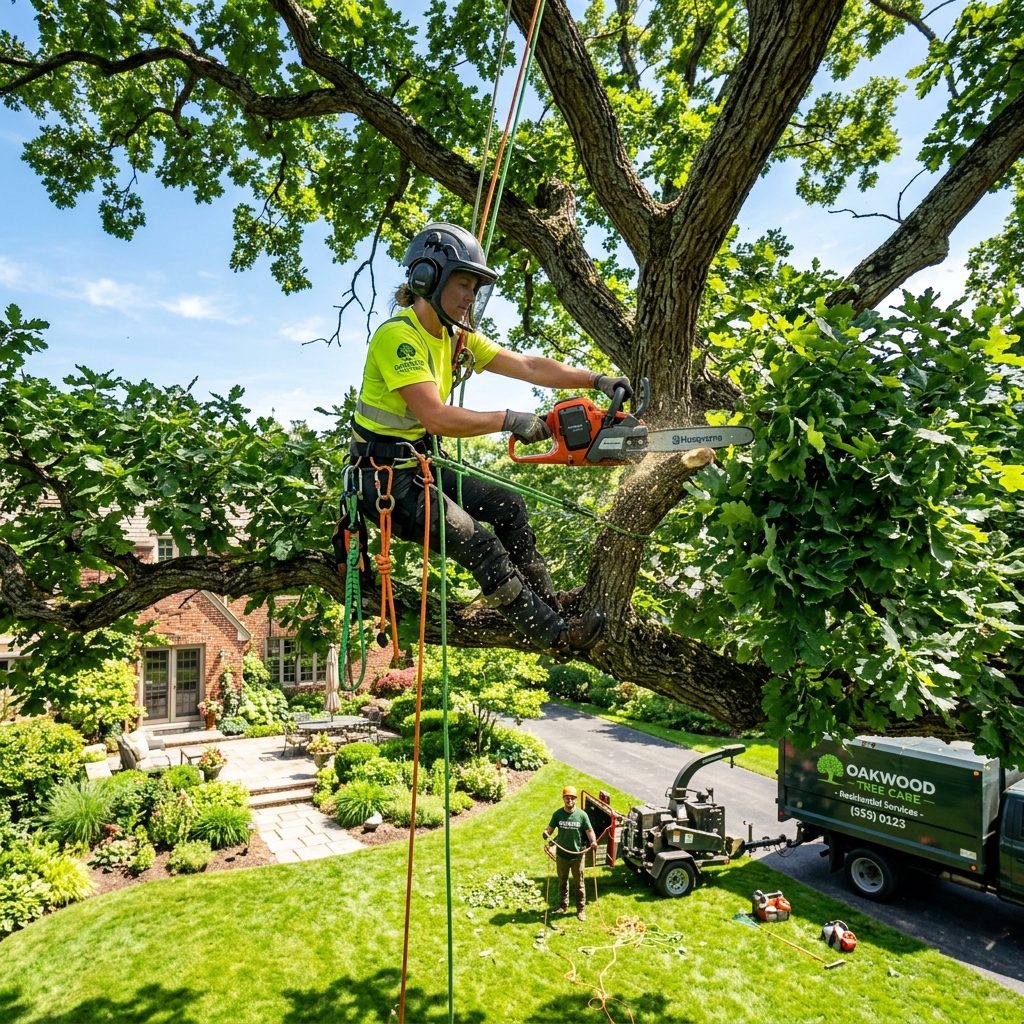
Protect Your Tampa Property: Essential Signs Your Trees Need Expert Care
Recognizing early warning signs in your Tampa trees is crucial for their health and your property's safety. Professional tree services can prevent costly damage, address disease, mitigate storm risks, and preserve your landscape's value. Don't wait for a crisis – prompt intervention saves time and money. As a homeowner or property manager in Tampa, FL, understanding the subtle cues your trees give off can be the difference between a thriving landscape and a significant liability. From unpredictable weather to specific local pests, Tampa's unique environment demands vigilance. This guide will walk you through common indicators of tree distress and explain when it's time to call in the experts at Tampa Tree Care Specialists.
What Are the Common Signs of an Unhealthy Tree in Tampa, FL?
The health of your trees directly impacts your property's aesthetics, value, and safety. In Tampa's humid subtropical climate, certain issues are more prevalent. Here are key indicators that suggest your tree might be struggling and require professional assessment:
- Discolored or Wilting Leaves: While seasonal leaf drop is normal, premature yellowing, browning, or wilting (especially outside of autumn for deciduous trees) can signal nutrient deficiencies, pest infestation, or disease. Look for unusual patterns or a sudden decline.
- Premature Leaf Drop: If your tree is shedding leaves excessively or at an unusual time of year, it's a major stress indicator, often due to drought, disease, or pest activity.
- Fungal Growth (Mushrooms/Conks): Fungi growing at the base of the tree or on its trunk and branches are often signs of internal decay. Conks, which are shelf-like growths, indicate advanced wood rot, severely compromising the tree's structural integrity.
- Cracks in the Trunk or Branches: Any significant cracks, splits, or peeling bark can be entry points for pests and diseases or indicate internal weakness and imminent failure. Deep vertical cracks are particularly concerning.
- Pest Infestations: Visible insects, sawdust-like frass, boreholes, or webbing can all point to a pest problem. Common Tampa pests like Southern Pine Beetles, ambrosia beetles, and various scale insects can quickly devastate trees if not addressed.
- Bare Branches or Deadwood: Branches that fail to produce leaves or have no living tissue are dead. Excessive deadwood can fall, posing a hazard, and may indicate deeper health issues.
- Leaning or Instability: A tree suddenly leaning more than usual, especially after heavy rains or strong winds, suggests root damage or instability. Root heaving or soil mounding around the base can also be a sign of root plate failure.
- Cankers or Lesions: Sunken areas on the bark, often discolored or oozing, are cankers. These are usually caused by fungal or bacterial infections and can disrupt nutrient flow, eventually girdling branches or the entire tree.
- Poor Branch Attachment: V-shaped or narrow-angled branch unions are structurally weak and prone to splitting, especially in high winds common during hurricane season in Channelside.
How Does Tampa's Unique Climate Affect Tree Health and Service Needs?
Tampa's climate, characterized by hot, humid summers, mild winters, and susceptibility to tropical storms, presents specific challenges for tree health. Understanding these factors helps in proactive tree care:
- Heat and Humidity: While beneficial for many tropical species, high heat and humidity can stress temperate trees, making them more vulnerable to disease and pest outbreaks. Fungal diseases thrive in moist conditions.
- Hurricane Season: From June to November, Tampa is at risk of hurricanes and tropical storms. Trees with compromised structure, extensive deadwood, or weak branch attachments are highly susceptible to damage, posing severe risks to property and lives. Proactive trimming and structural pruning are critical.
- Soil Conditions: Many areas in Tampa have sandy, well-draining soils, which can lead to rapid nutrient leaching if not managed. Some areas may also have compacted soils from development, hindering root growth and water absorption.
- Drought Stress: While Tampa receives ample rainfall, periods of drought can occur, especially in late spring. Young trees and those not adapted to drought conditions can suffer severe stress, leading to defoliation or death.
- Local Pests and Diseases: Beyond general pests, Tampa faces specific threats. Laurel Wilt Disease, spread by ambrosia beetles, is decimating Redbay and Avocado trees. Lethal Bronzing Disease is a serious threat to palms. Understanding these regional issues is vital for effective diagnosis and treatment.
When Should I Call a Professional Tree Service in Tampa?
While some minor issues might be DIY-friendly, several situations absolutely warrant calling certified arborists. Delaying professional intervention can escalate problems, increase costs, and compromise safety:
- Emergency Situations: A tree leaning precariously, large branches broken and hanging, or a tree that has already fallen due to a storm or structural failure requires immediate professional attention. Never attempt to handle large, unstable trees yourself, especially near power lines.
- Signs of Disease or Pests: If you observe any of the disease or pest symptoms mentioned earlier, a certified arborist can accurately diagnose the problem and recommend appropriate treatments. Early diagnosis can save the tree.
- Structural Concerns: Cracks, weak branch unions, or a significant lean indicate structural instability. Arborists can assess the risk and perform corrective pruning, cabling, or bracing to enhance safety, or recommend removal if necessary.
- Tree interfering with structures: Branches touching your roof, power lines, or fences need to be trimmed by professionals to prevent damage or electrical hazards. Roots impacting foundations or underground pipes also need expert evaluation.
- Pre-Storm Preparation: Before hurricane season, having an arborist assess and prune your trees can significantly reduce the risk of storm damage to your property and trees.
- New Tree Planting or Transplanting: For optimal growth and establishment, especially with larger specimens, professional planting ensures correct depth, soil amendments, and initial care.
- Large Tree Pruning or Removal: Handling large trees requires specialized equipment, training, and safety protocols. Attempting DIY pruning or removal of a substantial tree is extremely dangerous.
- Confined Space Work: Trees in tight urban spaces, close to buildings, or over sensitive landscaping require precision work that only experienced professionals can safely execute. Many residents in historic Seminole Heights face these challenges.
What Can I Expect During a Professional Tree Inspection and Service?
When you contact Tampa Tree Care Specialists, you can expect a thorough, transparent, and professional process designed to address your tree care needs effectively and safely:
- Initial Consultation & Assessment: A certified arborist will visit your property in Tampa, FL, to perform a comprehensive visual inspection of your trees. They will assess tree species, age, health, structural integrity, pest and disease indicators, and potential risks to your property.
- Diagnosis & Recommendations: Based on the assessment, the arborist will diagnose any issues and explain their findings in clear, understandable terms. They will provide tailored recommendations, which might include:
- Pruning: Deadwood removal, crown thinning, crown raising, or structural pruning to improve health, safety, and appearance.
- Disease & Pest Management: Specific treatments, soil amendments, or integrated pest management strategies.
- Cabling & Bracing: To provide additional structural support to weak branches or multi-stemmed trees.
- Tree Removal: If a tree is diseased beyond recovery, severely unstable, or poses an unacceptable risk.
- Stump Grinding: To remove unsightly and potentially hazardous stumps after removal.
- Detailed Estimate: You will receive a transparent, written estimate outlining the scope of work, recommended services, and associated costs. We believe in clear communication with no hidden fees.
- Scheduling & Permitting (if applicable): Once you approve the estimate, we will schedule the work at your convenience. For certain tree removals or major pruning in Tampa, city permits may be required. Our team is knowledgeable about local regulations and can guide you through the permitting process.
- Professional Service Execution: Our highly trained and insured crew will arrive with the necessary equipment to perform the work safely and efficiently. We adhere to industry best practices (ANSI A300 standards) and safety protocols. We always prioritize the safety of our crew, your property, and surrounding areas.
- Site Cleanup: After the work is completed, we ensure a thorough cleanup, removing all debris and leaving your property tidy.
Understanding Tree Service Costs and Value in Tampa
The cost of tree services in Tampa can vary significantly based on several factors, reflecting the complexity, risk, and specialized equipment involved. It's an investment in your property's safety, beauty, and long-term value, not just an expense.
- Tree Size and Type: Larger, more mature trees or those with complex structures (e.g., palms vs. oaks) generally require more time, equipment, and crew members, impacting cost.
- Scope of Work: A simple deadwood removal will cost less than a full crown reduction or a hazardous tree removal. Stump grinding is typically an additional service.
- Accessibility: Trees located in hard-to-reach areas, near structures, power lines, or in confined spaces, increase the complexity and safety risks, leading to higher costs.
- Tree Health and Condition: Diseased or severely damaged trees, especially those with internal decay, pose greater risks during service and may require specialized techniques, which can influence pricing.
- Emergency vs. Scheduled Service: Emergency services, particularly after a storm, often incur higher costs due to immediate demand and hazardous conditions.
- Permitting: If your project requires a city permit in Tampa, there will be associated fees and processing time.
While it might be tempting to opt for the lowest bid, remember that quality tree care is an investment. Choosing a reputable, insured, and certified arborist like Tampa Tree Care Specialists ensures the work is done correctly, safely, and with your tree's long-term health in mind. Improper tree work can lead to irreversible damage, greater future costs, or even property loss.
Don't compromise on the health and safety of your Tampa property's most valuable natural assets. If you've observed any of these warning signs or simply want a professional assessment, contact Tampa Tree Care Specialists today. Our certified arborists are ready to provide expert diagnosis, transparent recommendations, and reliable service to keep your trees healthy and your property safe. Call us for a free, no-obligation consultation!
Need Professional Assistance?
Get a free, no-obligation estimate from our expert local team today.