Unseen Tree Dangers in Tampa: A Homeowner's Guide to Preventing Catastrophe
Even seemingly healthy trees can harbor significant, hidden dangers that pose a serious threat to your Tampa property and family. Proactive identification of subtle warning signs by a certified arborist is paramount to preventing catastrophic failures, costly damage, and ensuring the long-term safety and vitality of your landscape in Florida's unique climate.
In a vibrant city like Tampa, where lush landscapes are a point of pride, it’s easy to overlook potential hazards lurking within our beautiful trees. While a tree might appear robust and healthy from a distance, hidden issues can compromise its structural integrity, especially when faced with Florida’s intense weather. Ignoring these subtle red flags can lead to devastating property damage, personal injury, and significant financial burdens. This guide will help Tampa homeowners understand the unseen dangers and the crucial role professional tree risk assessment plays in maintaining a safe environment.
What Hidden Signs Indicate a Tree is Truly Dangerous in Tampa?
Identifying a hazardous tree isn't always straightforward. Many critical issues develop internally or in inconspicuous areas. Here are some key indicators that suggest a tree on your Tampa property might be a danger:
- Significant Lean: While some trees naturally grow with a slight lean, a sudden or increasingly pronounced lean, especially after heavy rains or winds, can signal root failure or structural weakness.
- Cracks and Splits: Look for vertical cracks in the trunk or major limbs. Deep, wide cracks, particularly those extending into the wood, are critical structural defects. Splits at branch junctions (V-shaped crotches) are especially vulnerable.
- Dead or Decaying Branches: Large dead branches, known as 'widow makers,' pose a direct falling hazard. Decay can spread from these branches into the main trunk, weakening the entire tree. Look for branches with no leaves, peeling bark, or fungal growth.
- Cavities and Hollows: Visible holes or depressions in the trunk or large branches indicate internal decay. Even if the outer shell appears intact, the tree's core strength might be severely compromised.
- Fungal Growth: Mushrooms or conks (shelf-like fungi) growing at the base of the trunk, along the main stem, or on large branches are often indicators of internal decay or root rot. In Tampa, species like Ganoderma fungus are a common threat, particularly to palm trees.
- Root Problems: Heaving soil around the base of the tree, girdling roots (roots growing around and constricting the trunk), or exposed roots with signs of decay can all compromise stability. Root damage from construction or landscaping is a silent killer.
- Pest Infestations: Extensive insect activity, such as borers creating holes in the bark, or signs of termite damage, can severely weaken a tree's structure over time, making it prone to failure.
- Thinning Canopy or Premature Leaf Drop: A sparse canopy, unusually small leaves, or leaves turning color and dropping outside of seasonal norms can be symptoms of disease, root damage, or severe stress.
It's vital to remember that these signs often require an expert eye to properly interpret their severity and implications.
How Do Tampa's Unique Environmental Factors Contribute to Tree Risks?
Tampa's climate and environment, while beautiful, present specific challenges that can exacerbate tree health issues and increase hazard potential:
- Hurricane and Storm Season: High winds are a primary cause of tree failure in Tampa. Weakened trees, those with compromised root systems due to saturated soil, or those with structural defects, are particularly vulnerable to catastrophic damage during tropical storms and hurricanes.
- Heavy Rainfall and Humidity: Prolonged periods of heavy rain can lead to soil saturation, reducing root stability and promoting root rot. Tampa's high humidity creates a perfect breeding ground for various fungal diseases and pests that thrive in moist, warm conditions.
- Sandy Soils: While well-draining, Tampa's sandy soils can offer less stable anchorage for larger trees compared to clay-rich soils, especially when soaked during heavy rain events.
- Heat and Drought Stress: Despite abundant rain, periods of intense heat and occasional drought can stress trees, making them more susceptible to disease and pest infestations.
- Local Pests and Diseases: Tampa's subtropical climate is home to specific pests and pathogens that can severely impact tree health, from various boring insects to specific fungal and bacterial infections affecting oaks, palms, and other native species.
- Urban Development: Construction activities, soil compaction, changes in drainage, and root cutting due to infrastructure work can cause significant, often unseen, damage to a tree's root system, leading to decline years later.
Understanding these local factors helps highlight why regular, professional tree assessment is not a luxury, but a necessity for Tampa homeowners.
When Should You Call a Professional Arborist for a Tree Inspection in Tampa?
Proactive professional intervention is always better than reactive emergency services. Don't wait until a problem becomes a disaster. Here are key scenarios when you should immediately contact a certified arborist:
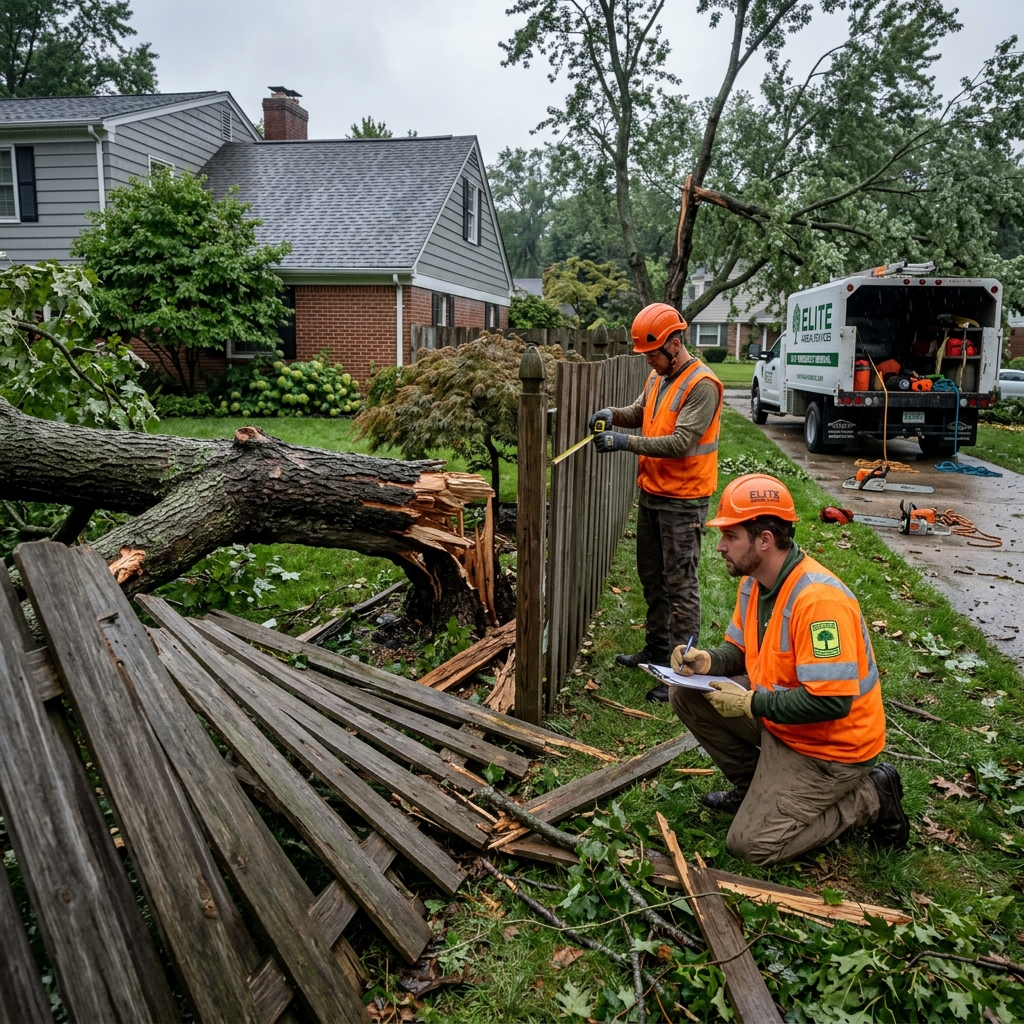
- After a Major Storm: Following any significant wind or rain event, even if no obvious damage is visible, a professional assessment can uncover hidden stress fractures, root heaving, or internal damage that could lead to future failure.
- Visible Signs of Distress: If you observe any of the hidden danger signs listed above, however minor they may seem, it's time to call an expert. Early detection can often lead to less invasive and less costly solutions.
- Tree Near Structures or Utility Lines: If a tree is close to your home, garage, driveway, power lines, or high-traffic areas, its potential failure poses a much greater risk. Regular inspections are critical for these high-value targets.
- During Construction or Landscaping: If you are planning any significant landscaping or construction work near existing trees, consult an arborist beforehand to protect tree roots and minimize future damage.
- Routine Preventive Care: For mature trees, especially those over 15-20 years old, a professional tree risk assessment every 1-3 years is highly recommended. It’s an investment in your property's safety and value.
- Uncertainty: If you are simply unsure about a tree's health or stability, or if you've recently purchased a new property, a comprehensive assessment provides peace of mind. Whether you're in Channelside or any other Tampa neighborhood, our team is equipped to assist.
What Happens During a Professional Tree Risk Assessment with Tampa Tree Care Specialists?
When you call Tampa Tree Care Specialists for a tree risk assessment, you can expect a thorough, systematic evaluation performed by a certified arborist:
- Initial Consultation and Site Walk-Through: The arborist will discuss your concerns, review the tree's history, and conduct a visual inspection of the entire tree and its surroundings.
- Visual Assessment: This is the foundation. The arborist will meticulously examine the tree from top to bottom, including:
- Crown: Looking for deadwood, weak branch attachments, signs of disease, and overall canopy density.
- Trunk: Inspecting for cracks, cavities, wounds, insect boring, fungal fruiting bodies, and structural defects. They might use a mallet to sound the trunk for hollow spots.
- Root Collar & Roots: Examining the base of the tree for girdling roots, decay, root damage, and soil conditions that could affect stability. Heaving soil or exposed roots with signs of decay are red flags.
- Target Assessment: A critical component is identifying what the tree could hit if it were to fail. This includes homes, vehicles, power lines, fences, and areas with high pedestrian traffic. The risk level is directly tied to the potential impact of a failure.
- Advanced Diagnostic Tools (If Needed): For deeper investigation, an arborist might use tools like increment borers to assess internal decay, resistographs to measure wood density, or even ground-penetrating radar for root mapping.
- Risk Rating: Based on the inspection, the arborist assigns a risk rating (e.g., low, medium, high) considering the likelihood of failure, the size of the part that might fail, and the consequences of that failure.
- Detailed Recommendations: You will receive a comprehensive report outlining the tree's health, identified hazards, and clear recommendations for mitigation. These could include targeted pruning, cabling and bracing for support, pest and disease treatments, or, in high-risk cases, complete tree removal. Our expertise serves communities from the bustling streets of Tampa to residential areas like Brandon.
This professional approach ensures that you receive accurate information and the most effective, safest solutions for your landscape.
Don't Wait for a Disaster – Act Now for Tree Safety in Tampa!
The safety of your property and loved ones is paramount. Ignoring the subtle warnings of a hazardous tree can lead to irreparable damage and heartbreaking consequences. As Tampa's trusted tree care experts, Tampa Tree Care Specialists are here to help you identify and mitigate these risks before they escalate. Our certified arborists have the local knowledge, experience, and tools to conduct thorough tree risk assessments, providing you with peace of mind and ensuring the long-term health and safety of your trees.
Contact Tampa Tree Care Specialists today to schedule your comprehensive tree risk assessment. Protect your property, enhance your landscape, and ensure the safety of your family with expert care right here in Tampa, FL.
Need Professional Assistance?
Get a free, no-obligation estimate from our expert local team today.