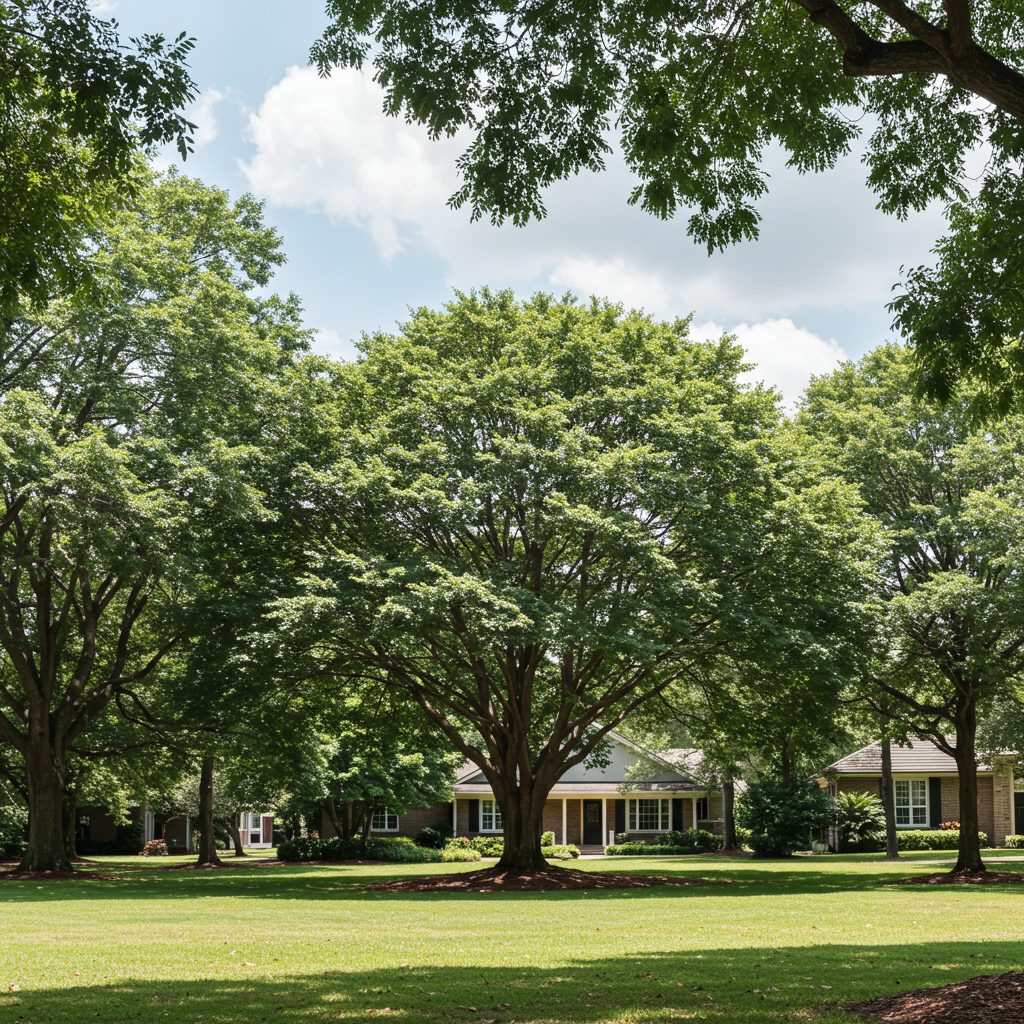
Protect Your Urban Oasis: Essential Tree Preservation Strategies for Tampa Homes
Urban tree preservation in Tampa is crucial for maintaining property value, improving air quality, and enhancing neighborhood aesthetics. It involves proactive strategies to protect trees from stressors common in developed areas, such as soil compaction, root damage, and pollution, ensuring their long-term health and vitality in an urban landscape.
How Do Urban Environments Specifically Impact Tree Health in Tampa?
Tampa's bustling urban and suburban landscapes present unique challenges to tree health that often go unnoticed by the casual observer. Unlike trees in natural forest settings, urban trees face a constant barrage of stressors that can significantly shorten their lifespan and diminish their vigor. Understanding these impacts is the first step toward effective urban tree preservation Tampa.
- Soil Compaction and Root Damage: In urban areas, heavy foot traffic, vehicle movement, and construction activities lead to soil compaction. This reduces pore space in the soil, limiting oxygen availability to tree roots and impeding water infiltration. Additionally, infrastructure development often necessitates cutting or damaging roots, which are crucial for nutrient and water uptake, as well as structural stability.
- Limited Growing Space: Urban trees frequently contend with insufficient space for root growth due to sidewalks, foundations, and utility lines. This restricted area can lead to girdling roots, poor nutrient absorption, and an increased susceptibility to drought stress, especially during Tampa's dry seasons.
- Heat Island Effect: Paved surfaces and buildings absorb and re-emit heat, creating urban heat islands. This elevated temperature stresses trees, increasing their water demand and making them more vulnerable to pests and diseases. The intense Florida sun combined with urban heat can be particularly taxing.
- Pollution and Chemical Exposure: Exhaust fumes, runoff from impervious surfaces, and landscape chemicals can introduce pollutants and harmful substances into the soil and air, negatively impacting tree physiological processes. These stressors weaken the tree's natural defenses.
- Improper Pruning and Maintenance: While well-intentioned, incorrect pruning techniques (such as topping) or a lack of appropriate care can severely damage urban trees. This can lead to weak branch attachments, increased disease entry points, and an overall decline in health.
The combination of these factors makes urban trees inherently more vulnerable than their rural counterparts. Proactive residential tree preservation strategies are therefore not just beneficial but essential for their survival.
What Are Key Strategies for Effective Urban Tree Preservation in Residential Areas?
Effective urban tree preservation requires a multi-faceted approach, integrating scientific understanding with practical application. For Tampa homeowners, implementing these strategies can make a significant difference in the health and longevity of their property's trees.
Proactive Preservation Techniques:
- Strategic Planting: Choose native or well-adapted tree species that thrive in Tampa's climate and can tolerate urban conditions. Consider the mature size of the tree and ensure adequate space for both canopy and root growth, away from foundations and utilities.
- Proper Mulching: Apply a 2-4 inch layer of organic mulch (like wood chips) around the base of trees, extending to the drip line if possible. Keep mulch a few inches away from the trunk. Mulching conserves soil moisture, regulates soil temperature, suppresses weeds, and slowly releases nutrients, mimicking a forest floor environment.
- Soil Management: Combat soil compaction through regular soil aeration techniques, such as vertical mulching or using air spades. These methods improve oxygen flow to roots and facilitate better water penetration. For poor soils, soil amendments can improve structure and nutrient content.
- Root Protection: During any construction or renovation projects, establish tree protection zones to prevent equipment from compacting soil or damaging roots. Install physical barriers and educate contractors on the importance of tree root integrity.
- Structural Pruning: Engage certified arborists for Tampa tree care pruning services. Proper structural pruning guides the tree's growth, removes weak or damaged branches, and enhances its resilience against storms and disease, preventing future hazards.
- Regular Watering: Especially during establishment and dry periods, ensure trees receive adequate water. Deep, infrequent watering is more effective than shallow, frequent watering, encouraging deeper root growth.
- Pest and Disease Monitoring: Regularly inspect your trees for signs of pests or diseases. Early detection allows for timely intervention, preventing minor issues from escalating into major problems.
When Should Tampa Homeowners Seek Professional Help for Urban Tree Protection?
While some aspects of tree care can be managed by homeowners, many urban tree preservation challenges demand the expertise of certified arborists. Knowing when to call in professionals is crucial for protecting your valuable trees and ensuring safety.
Signs You Need Professional Arborist Intervention:
- Visible Signs of Decline: If your tree exhibits significant leaf discoloration, premature leaf drop, dieback of branches, unusual growths, or fungal fruiting bodies, it's time for a professional assessment. These could indicate serious disease, pest infestation, or environmental stress.
- Storm Damage: After a severe storm, even if there's no immediate falling hazard, a tree may have hidden structural damage or weakened limbs that could pose a risk later. A professional inspection can identify and mitigate these risks.
- Construction or Renovation Projects: Before, during, and after any construction near trees, an arborist can provide guidance on root protection, tree relocation if necessary, and post-construction care to help trees recover from potential stress.
- Complex Pruning or Removal: Large trees, trees near power lines, or those requiring specialized structural pruning should always be handled by experienced professionals with the right equipment and safety protocols. Attempting DIY solutions can be extremely dangerous.
- Concerns about Tree Structure: If you notice leaning, cracks in the trunk or branches, weak V-shaped branch attachments, or exposed roots that seem unstable, a Tampa tree risk assessment is essential. Professionals can recommend cabling, bracing, or other stabilization methods.
- Soil Health Issues: If your soil is perpetually waterlogged, overly dry, or you suspect nutrient deficiencies, an arborist can perform soil testing and recommend appropriate aeration, fertilization, or amendment strategies tailored to your tree's needs.
Engaging professionals like Tampa Tree Care Specialists ensures that your trees receive care based on arboricultural best practices, safeguarding your investment and property.
What Are the Long-Term Benefits of Investing in Urban Tree Preservation for Your Tampa Property?
Investing in urban tree preservation Tampa extends far beyond simply keeping your trees alive; it's an investment in your property's future, your family's well-being, and the broader community's environmental health. The long-term benefits are substantial and multifaceted.
- Increased Property Value: Healthy, well-maintained trees significantly enhance curb appeal and can add substantial value to your home. Studies consistently show that mature trees can increase property values by 10-20% or more, making preservation a wise financial decision.
- Energy Savings: Strategically preserved trees provide natural shade, reducing cooling costs in Tampa's hot climate. In winter, deciduous trees allow sunlight to warm homes, contributing to energy efficiency year-round.
- Improved Air Quality: Trees act as natural air filters, absorbing pollutants like carbon monoxide, sulfur dioxide, and nitrogen dioxide, and releasing oxygen. This contributes to a healthier living environment for you and your neighbors.
- Stormwater Management: Tree canopies intercept rainfall, reducing runoff and minimizing soil erosion. Their root systems help absorb and filter stormwater, reducing the strain on municipal drainage systems and improving water quality.
- Enhanced Biodiversity: Healthy urban trees provide vital habitat and food sources for local wildlife, including birds, beneficial insects, and small mammals, enriching the ecological balance of your neighborhood.
- Stress Reduction and Aesthetic Beauty: The presence of trees and green spaces has been shown to reduce stress, improve mental well-being, and create a more pleasant, aesthetically pleasing environment. A beautiful tree canopy can transform a stark urban landscape into a serene oasis.
- Longevity and Resilience: Proactive preservation ensures that your trees remain healthy and resilient against common urban stressors, extending their lifespan and allowing them to provide benefits for decades to come. This reduces the need for costly removals or replacements in the future.
By prioritizing urban tree preservation, you're not just caring for individual trees; you're cultivating a healthier, more valuable, and more enjoyable living space for years to come. For expert guidance and professional services to protect and preserve your urban trees in Tampa, trust the certified arborists at Tampa Tree Care Specialists. We offer comprehensive tree health assessments, proactive preservation plans, and skilled care to ensure your trees thrive amidst city challenges.
Need Professional Assistance?
Get a free, no-obligation estimate from our expert local team today.