Urgent Tree Problems in Tampa: Know the Signs & Act Fast for Safety
Trees are a beautiful and valuable asset to any property, providing shade, enhancing curb appeal, and contributing to the local ecosystem. However, even the most majestic trees can become a serious liability if they develop structural weaknesses or succumb to disease, especially in a hurricane-prone area like Tampa, FL. Recognizing the warning signs of a hazardous tree early on is not just good landscaping practice – it's a critical safety measure that can prevent catastrophic damage.
Many property owners overlook subtle cues until a situation becomes dire. Understanding the specific threats that Tampa's climate, soil conditions, and common pests pose to local trees is paramount. This guide will equip you with the knowledge to identify urgent tree problems and explain why professional assessment and intervention from Tampa Tree Care Specialists are indispensable.
What Are the Key Indicators of a Hazardous Tree in Tampa?
Identifying a tree that poses an immediate risk requires a keen eye and an understanding of tree health and structural integrity. In Tampa, certain signs are particularly alarming due to our sandy soils, frequent storms, and specific pest pressures.
- Sudden Leaning or Instability: If a tree that once stood upright suddenly begins to lean, especially after heavy rains or strong winds, it's a major red flag. This often indicates root damage or a compromised root system unable to support the tree's weight. A severe lean could mean the tree is days, or even hours, away from falling.
- Large Dead or Hanging Branches: While a few small dead twigs are normal, large dead branches (10-12 inches in diameter or more) that are suspended in the canopy or have already fallen onto lower branches are extremely dangerous. They can fall unexpectedly, causing significant damage or injury. Look for branches without leaves, peeling bark, or a brittle appearance.
- Cracks in the Trunk or Major Limbs: Vertical cracks, split trunks, or deep fissures are severe structural defects. These can weaken the tree's core, making it prone to splitting apart during high winds. Check for cracks that extend deeply into the wood or appear after storm events.
- Extensive Decay or Cavities: Fungi growing at the base of the tree or along the trunk, hollow sounds when tapping the trunk, or visible cavities are all signs of internal decay. While some trees can live with decay, extensive rot compromises the tree's strength significantly. A professional arborist can use specialized tools to assess the extent of internal decay.
- Root Damage or Root Rot: Visible roots lifting the soil, cracks in the ground around the base of the tree, or significant cuts to major roots can destabilize the tree. In Tampa's moist environment, root rot (often caused by excessive moisture or specific fungi like Ganoderma) can silently destroy a tree's anchorage.
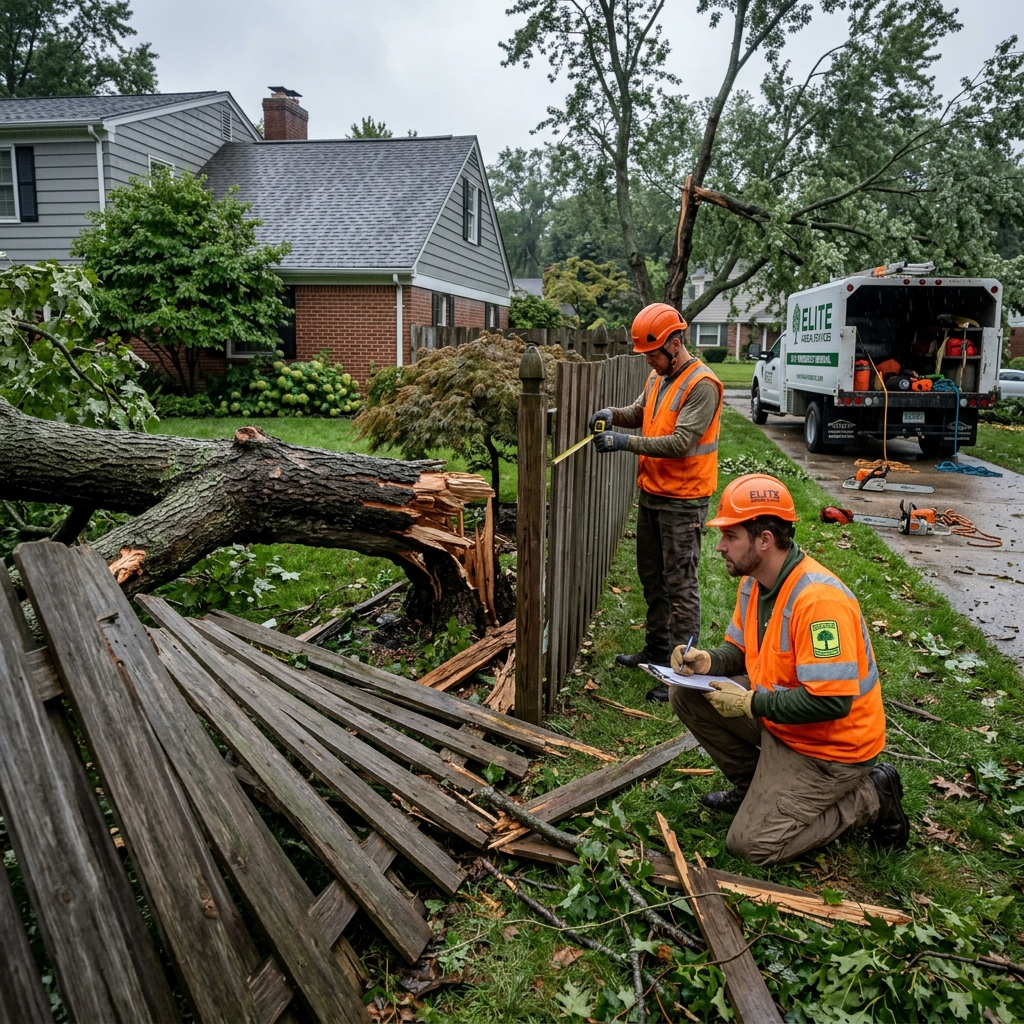
- Storm Damage: After any significant storm, especially during hurricane season, inspect your trees thoroughly. Broken limbs, split trunks, or trees uprooted are clear signs that immediate attention is needed. Even if the tree appears fine, hidden damage might have occurred.
How Do Tampa's Weather and Pests Impact Tree Stability?
Tampa's unique environmental factors play a significant role in the health and stability of our urban canopy. Understanding these regional challenges helps in proactive tree care and emergency preparedness.
- Hurricane Season: From June to November, Tampa is vulnerable to tropical storms and hurricanes. High winds and torrential rains can uproot trees, snap branches, and saturate the soil, making trees more susceptible to falling. Post-storm assessments are critical for identifying newly created hazards.
- High Humidity and Rainfall: Our warm, humid climate, while fostering lush growth, also creates ideal conditions for various fungal diseases and pests. Root rot, for instance, thrives in consistently wet soils, silently undermining a tree's foundation.
- Local Pests and Diseases: Tampa trees are susceptible to specific pests and diseases that can weaken their structure. The Ambrosia Beetle, for example, targets stressed trees, while diseases like Laurel Wilt are devastating to redbay trees, making them brittle and dangerous. Early detection and treatment by Tampa Tree Care Specialists can often mitigate these threats, especially if you're in Palma Ceia or surrounding communities.
- Soil Conditions: Tampa's sandy soils, while offering good drainage in some areas, can also be less stable during heavy rains compared to more clay-rich soils. This can contribute to tree instability, especially for trees with shallow root systems or those under stress.
These factors underscore the importance of regular tree health assessments and prompt action when signs of distress appear. Delaying can turn a manageable issue into an emergency.
What Happens During a Professional Emergency Tree Assessment?
When you call Tampa Tree Care Specialists for an urgent tree concern, our certified arborists follow a systematic approach to evaluate the situation thoroughly. This isn't a simple glance; it's a comprehensive risk assessment designed to ensure safety and provide the most effective solution.
- Initial Site Visit and Safety Check: Our team will quickly and safely assess the immediate area, identifying any urgent dangers such as leaning trees threatening structures, downed power lines, or obstructions.
- Comprehensive Visual Inspection: The arborist will meticulously examine the entire tree – from the root collar to the canopy. This includes looking for all the signs mentioned above: leans, cracks, deadwood, decay, fungal growths, pest infestations, and signs of root damage.
- Structural Integrity Evaluation: Using expert knowledge, the arborist will assess the tree's overall structural stability. This might involve looking at branch architecture, trunk taper, and the integrity of attachment points. Advanced tools like resistographs or sonic tomography may be used for internal decay detection if necessary, providing a non-invasive way to see inside the tree.
- Risk Assessment and Hazard Rating: Based on the inspection, the arborist will determine the level of risk the tree poses. This includes considering the 'target' (what the tree could fall on – a house, car, person), the 'likelihood of failure,' and the 'size of the part likely to fail.'
- Recommendations and Action Plan: Following the assessment, you will receive a clear, detailed explanation of the findings and expert recommendations. These might range from strategic pruning to mitigate risk, cabling and bracing for stabilization, or in urgent cases, complete tree removal. You'll also get a transparent quote for the recommended services.
Our goal is to provide peace of mind through expert analysis and swift, safe action. Homeowners throughout the region, from Brandon to St. Petersburg, often rely on our thorough assessments.
When Should I Call for Urgent Tree Removal Services?
While many tree issues can be resolved with careful pruning or treatment, some situations demand immediate, urgent tree removal to protect life and property.
- Imminent Threat to Structures or People: If a tree is severely leaning towards your home, power lines, or a busy area, or if it has large, compromised limbs directly over pedestrian paths, removal is often the safest option.
- Extensive Internal Decay or Hollows: When internal decay has progressed to a point where the tree's structural integrity is critically compromised, it's a ticking time bomb. An arborist's assessment will confirm if the tree is beyond saving and poses an unacceptable risk.
- Severe Storm Damage Beyond Repair: Trees that have been severely split, uprooted but still standing, or have lost more than 50% of their canopy to a storm are often too damaged to recover safely. Attempting to save such a tree can be more dangerous and costly in the long run.
- Advanced Stages of Lethal Disease: Some diseases, especially those that rapidly spread or cause significant structural weakening, may necessitate removal to prevent further spread and eliminate the hazard.
- Dead Trees in High-Traffic Areas: A dead tree, especially a large one, in a residential area or near a public space is inherently unstable and should be removed promptly before it falls naturally.
Don't wait for a small problem to become a catastrophe. If you suspect an urgent tree issue on your property in Tampa, FL, contact Tampa Tree Care Specialists today for a rapid, professional assessment. Our certified arborists are ready to provide expert advice and swift, safe solutions to protect your home and loved ones. Call us now to schedule your immediate consultation and ensure the safety of your property.
Need Professional Assistance?
Get a free, no-obligation estimate from our expert local team today.