How to Protect Your Tampa Trees from Hurricane Damage: A Local Guide
Proactive tree care is critical for Tampa homeowners to mitigate hurricane damage, protecting property and lives. This involves professional tree assessments, strategic pruning to reduce wind resistance, and reinforcing vulnerable trees long before a storm threatens, ensuring your landscape is resilient against Florida's severe weather.
Why is Professional Tree Care Essential Before Hurricane Season in Tampa?
As residents of Tampa, FL, we understand that hurricane season isn't just a possibility; it's an annual reality. While we can board up windows and secure outdoor furniture, the trees in our yards often bear the brunt of severe winds and saturated soils. Neglecting your trees before a storm can lead to devastating consequences, including property damage, power outages, and even personal injury. Professional tree care is not merely about aesthetics; it's a vital investment in your property's safety and your peace of mind.
Strong hurricane winds exert immense force on tree canopies, testing the structural integrity of branches and root systems. Trees that are unhealthy, overgrown, or have pre-existing weaknesses are far more likely to fail, sending heavy limbs or entire trunks crashing into homes, vehicles, or power lines. Furthermore, heavy rains can saturate the soil, making it easier for even healthy trees to uproot if their canopy catches too much wind. A certified arborist from Tampa Tree Care Specialists can identify these risks, offering expert solutions tailored to our local climate and tree species.
What Are the Key Steps for Hurricane Tree Preparation?
Effective hurricane preparation for your trees involves several critical steps that should ideally be completed well before storm season begins.
- Professional Tree Assessment: The first and most crucial step is to have a certified arborist inspect all trees on your property. They can identify weak limbs, signs of decay, insect infestations, and structural issues that might not be obvious to an untrained eye. This assessment forms the basis of a tailored hurricane preparedness plan.
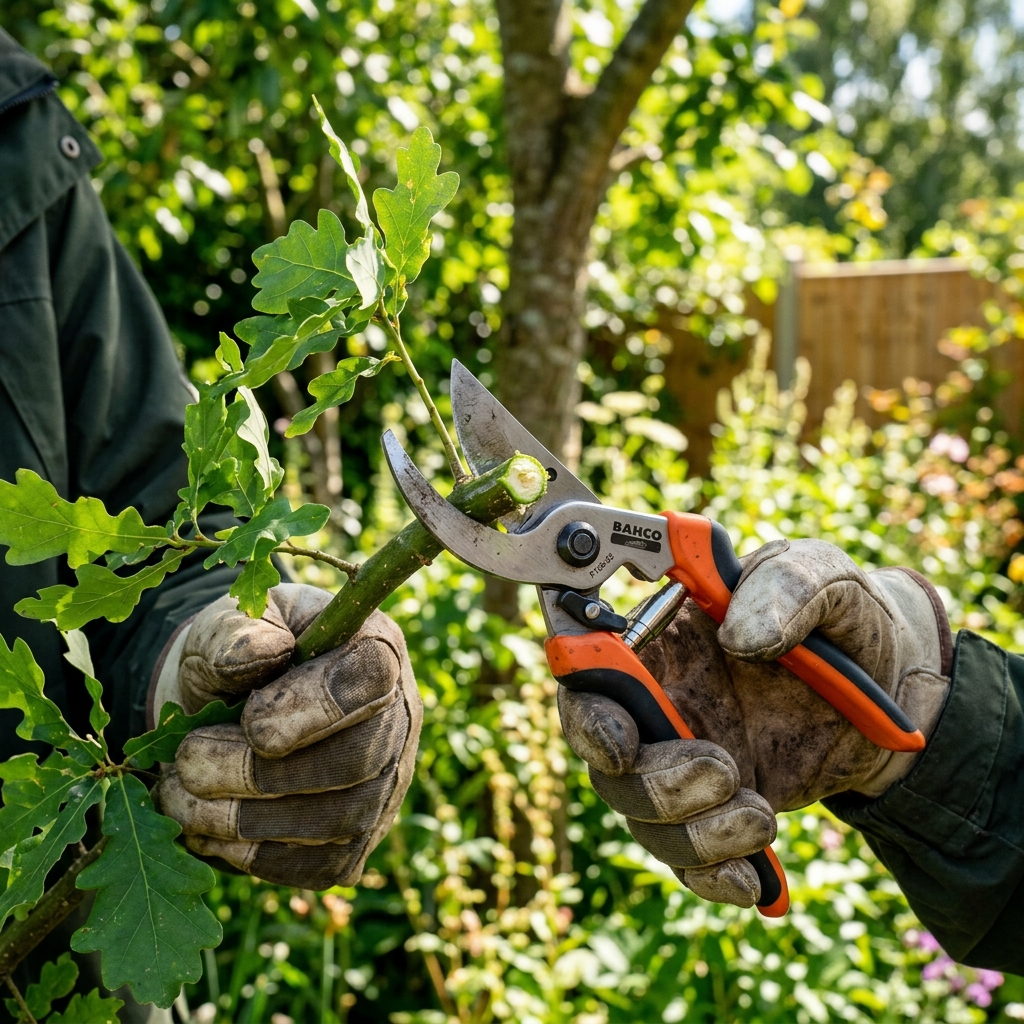
- Strategic Pruning: Not all pruning is created equal, especially when preparing for a hurricane.
- Crown Thinning: This involves removing a percentage of smaller, interior branches to allow wind to pass through the canopy more easily, reducing the 'sail effect' that can cause trees to topple.
- Deadwood Removal: All dead or dying branches should be removed. These are highly susceptible to breaking off in high winds and becoming dangerous projectiles.
- Limb Reduction/Raising: Reducing the length of heavy limbs, especially those overhanging structures, can minimize leverage and potential damage. Raising the canopy by removing lower branches also allows more clearance.
- Cabling and Bracing: For trees with multiple leaders or weak branch unions, cabling and bracing can provide supplemental support. This involves installing steel cables or rods to strengthen the tree's structure and prevent splitting during high winds. This is a specialized task that must be performed by experienced arborists.
- Root Collar Excavation: Sometimes, trees are planted too deeply or have girdling roots that compromise their stability. Excavating the root collar can expose the natural flare and improve root health, making the tree more resilient.
- Property Clean-up: Remove any loose debris, dead branches, or unstable structures near trees that could become projectiles in a storm. Ensure good drainage around tree bases to prevent waterlogging.
Our team extends its expert services beyond Tampa. If you need dependable tree services in Plant City, our certified arborists are ready to assist with all your storm preparation needs.
Recognizing and Addressing High-Risk Trees Before a Storm
Identifying and addressing high-risk trees is paramount to preventing hurricane damage. Some trees are naturally more vulnerable due to their species, age, or health condition.
- Signs of Decay and Disease: Look for mushrooms growing at the base, large cavities in the trunk or limbs, peeling bark, or discolored leaves. These are indicators of internal decay that can severely weaken a tree.
- Leaning Trees: A tree that is leaning significantly, especially if accompanied by soil mounding or cracking at the base, is a major red flag for root failure.
- V-Shaped Crotches: Branches that form a tight 'V' shape where they join the trunk are often structurally weaker than those forming a 'U' shape. These are prone to splitting.
- Overextended Limbs: Long, heavy limbs that extend far from the main trunk can act like levers in strong winds, increasing the risk of breakage.
- Species-Specific Vulnerabilities: In Florida, some species like Laurel Oaks (Quercus laurifolia) are known for their rapid growth and brittle wood, making them more susceptible to storm damage compared to more robust species like Live Oaks (Quercus virginiana). Palms, while often seen as resilient, can also suffer significant frond damage or even be toppled if their root ball is compromised.
When an arborist identifies a high-risk tree that cannot be safely mitigated through pruning or bracing, removal may be the safest and most responsible course of action to protect your property and family. While tree removal is a significant decision, the cost of prevention pales in comparison to the potential cost of damage from a fallen tree.
What to Do After a Hurricane: Post-Storm Tree Care & Recovery
Even with the best preparation, hurricanes can cause damage. Knowing how to react safely and effectively after a storm is crucial for recovery and for preserving your remaining trees.
- Ensure Safety First: Before approaching any damaged trees, always check for downed power lines. Assume any downed line is live and dangerous. Contact your utility company immediately. Be wary of hanging branches (widowmakers) that could fall unexpectedly.
- Assess Damage: Once it's safe, carefully survey your property. Distinguish between minor damage (small broken branches) and severe damage (major limb loss, trunk splitting, uprooting). Take photos for insurance purposes.
- Contact Professionals: For anything beyond minor debris, contact Tampa Tree Care Specialists. Attempting to clear large, damaged trees yourself can be extremely dangerous. Our emergency tree service teams are equipped with the specialized tools and training to safely remove hazards and begin the recovery process. Our experienced crews also serve neighboring communities; if you're in need of urgent tree service in Clearwater, don't hesitate to reach out.
- Prioritize Repairs: Focus on immediate hazards first, such as trees threatening structures or blocking access. Then, address trees that can be salvaged through careful pruning and treatment.
- Avoid Common Mistakes: Do not top your trees (cutting off the main leaders) as a recovery method. This severely wounds the tree, promotes weak regrowth, and can lead to its eventual decline. Always opt for proper structural pruning performed by a qualified arborist.
Hurricanes are a part of life in Tampa, but catastrophic tree damage doesn't have to be. By investing in professional, proactive tree care from Tampa Tree Care Specialists, you can significantly enhance your landscape's resilience and protect what matters most.
Don't wait for the storm warning – take action today! Contact Tampa Tree Care Specialists for a comprehensive tree assessment and hurricane preparedness plan. Our certified arborists are ready to help you safeguard your property this season. Call us today for expert tree care in Tampa, FL!
Need Professional Assistance?
Get a free, no-obligation estimate from our expert local team today.