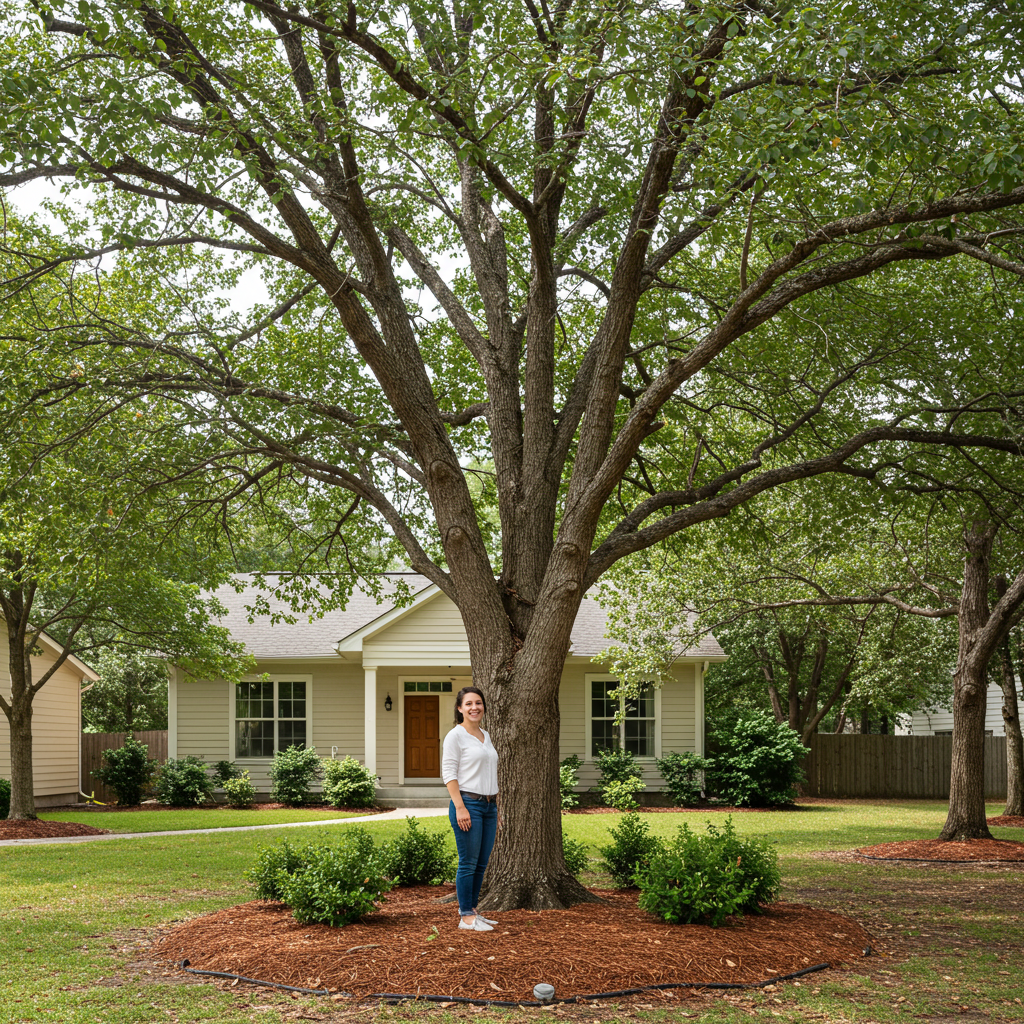
Debunking Common Tree Care Myths in Tampa: Expert Tips for Healthy Trees
Are all sick or damaged trees in Tampa beyond saving?
Many Tampa homeowners faced with a sick or damaged tree often jump to the conclusion that tree removal is the only option. While some situations do necessitate removal, such as severe structural instability or advanced disease that poses a risk to surrounding healthy trees, it's a significant myth that all ailing trees are lost causes. The truth is, many tree health issues, especially when caught early, can be successfully treated and managed by professional arborists.
For example, fungal infections, pest infestations, nutrient deficiencies, or even minor structural damage can often be remediated with targeted treatments. An experienced arborist from Tampa Tree Care Specialists can conduct a thorough tree health assessment, identifying the root cause of the problem. They might recommend:
- Disease and Pest Management: Applying appropriate fungicides, insecticides, or biological controls to combat specific threats.
- Nutrient Supplementation: Diagnosing soil deficiencies and implementing fertilization programs to boost tree vitality.
- Pruning for Recovery: Strategically removing diseased, dead, or weak branches to improve airflow, reduce stress, and promote healthy growth. This is vastly different from random topping.
- Cabling and Bracing: Installing supportive systems to stabilize weakened limbs or trunks, preventing further damage and extending the tree's life.
The key is early detection and expert intervention. Waiting too long can indeed make a tree's condition irreversible, but don't assume the worst without a professional evaluation.
Is 'tree topping' a good way to control tree size in Tampa?
This is perhaps one of the most pervasive and damaging myths in tree care, especially in areas like Tampa where rapid growth can be an issue. Tree topping—the indiscriminate cutting of tree branches to stubs or to a predetermined, artificial height—is unequivocally detrimental to a tree's health, structure, and aesthetic appeal. It should never be considered a viable pruning technique.
Here's why topping is so harmful:
- Stress and Shock: Topping removes a large portion of the tree's crown, severely reducing its ability to photosynthesize and produce food. This immense stress can weaken the tree, making it more susceptible to pests, diseases, and environmental stressors like drought.
- Weak Regrowth: In an attempt to recover, the tree produces numerous weak, fast-growing shoots called 'water sprouts' or 'suckers' directly below the cuts. These shoots are weakly attached to the main stem, creating a hazardous situation where they can easily break off in strong winds or storms, common in Tampa.
- Decay and Disease: Large, open wounds left by topping cuts expose the tree's interior wood to decay organisms. The tree struggles to compartmentalize these large wounds, leading to internal rot and hollows that compromise structural integrity.
- Unsightly Appearance: Topped trees develop an unnatural, club-like appearance with dense, chaotic regrowth, forever marring their natural form and beauty.
- Increased Maintenance: While topping aims to reduce size, the rapid, weak regrowth often necessitates more frequent and costly pruning in the long run.
For proper size control and structural integrity, professional tree pruning techniques like thinning, reduction cuts, and crown raising, performed by a certified arborist, are the correct approaches. These methods respect the tree's natural growth habits and health.
Does more water always mean healthier trees in Tampa's climate?
Tampa's climate is characterized by hot, humid summers and distinct wet and dry seasons. While it's true that trees need adequate water to thrive, the myth that 'more water is always better' can be just as damaging as too little. Overwatering, especially in Tampa's sandy soils or areas with poor drainage, can lead to significant problems for tree health.
Here's how overwatering harms trees:
- Root Rot: Saturated soil deprives roots of oxygen, causing them to suffocate and die, leading to root rot. This makes the tree unable to absorb water and nutrients, mimicking drought symptoms and often confusing homeowners.
- Nutrient Leaching: Excessive water can wash away essential nutrients from the soil, making them unavailable to the tree.
- Fungal Growth: Constantly wet conditions create an ideal environment for various fungal diseases that can attack roots, trunks, and leaves.
- Weakened Structure: A tree suffering from chronic overwatering will have a compromised root system, making it less stable and more vulnerable to being uprooted during Tampa's frequent summer storms.
Instead of indiscriminate watering, focus on proper irrigation techniques:
- Deep and Infrequent: Encourage deep root growth by watering deeply when needed, rather than frequent, shallow watering.
- Monitor Soil Moisture: Check the soil moisture levels before watering. Feel the soil a few inches down; if it's still damp, wait.
- Consider Species Needs: Different tree species have varying water requirements. Native trees are often more drought-tolerant once established.
- Mulching: A proper layer of mulch helps retain soil moisture, reduces evaporation, and regulates soil temperature, reducing the need for frequent watering.
Understanding your tree's specific water needs and the local soil conditions is crucial for preventing both underwatering and overwatering.
Should I always prune my trees immediately after a storm in Tampa?
After a powerful storm rolls through Tampa, it's natural for homeowners to want to clean up their properties quickly. However, the myth that all storm-damaged trees should be immediately pruned can lead to further harm or safety risks. While some immediate action might be necessary for safety, extensive pruning should often be delayed or performed strategically.
Here's what to consider regarding post-storm tree care:
- Safety First: If branches are hanging precariously, are touching power lines, or are blocking access, these hazards need immediate attention. However, this is best left to emergency tree removal or professional storm damage specialists who have the equipment and expertise to safely handle such dangerous situations.
- Assess and Observe: For less urgent damage, take time to assess the full extent of it. Sometimes, what looks like severe damage might be superficial. A tree's ability to recover depends on its overall health, species, and the extent of the damage.
- Avoid Over-Pruning: In the immediate aftermath of a storm, a tree is already stressed. Aggressive pruning can add more stress, hindering its recovery. The tree needs its remaining leaves for photosynthesis to produce energy to heal.
- Wait for Professional Assessment: A certified arborist can accurately assess the damage, determine the tree's viability, and recommend the best course of action. They can differentiate between branches that can be safely pruned to promote healing and those that are truly beyond saving.
- Proper Cuts: Improper cuts made by untrained individuals can create new wounds that are susceptible to pests and diseases, exacerbating the storm damage. Arborists use precise cuts that facilitate healing.
For comprehensive and safe storm damage assessment and post-hurricane tree care in Tampa, always consult with experienced professionals. They ensure that your trees are not only safe but also given the best chance for recovery.
Why trust Tampa Tree Care Specialists with your tree health?
Navigating the complexities of tree care in Tampa's unique environment requires more than just good intentions; it demands expert knowledge and experience. Debunking these common myths is just one aspect of ensuring your trees receive the best possible care. At Tampa Tree Care Specialists, our team of certified arborists possesses the in-depth understanding of tree biology, local climate conditions, and advanced tree care techniques to provide superior service.
From precise pruning and fertilization to comprehensive tree health assessments and safe tree removal, we are dedicated to preserving the health, beauty, and safety of your landscape. Don't fall victim to misinformation. For reliable, science-backed tree care solutions that promote robust growth and longevity for your valuable trees, contact Tampa Tree Care Specialists today. We're here to help your trees thrive.
Need Professional Assistance?
Get a free, no-obligation estimate from our expert local team today.