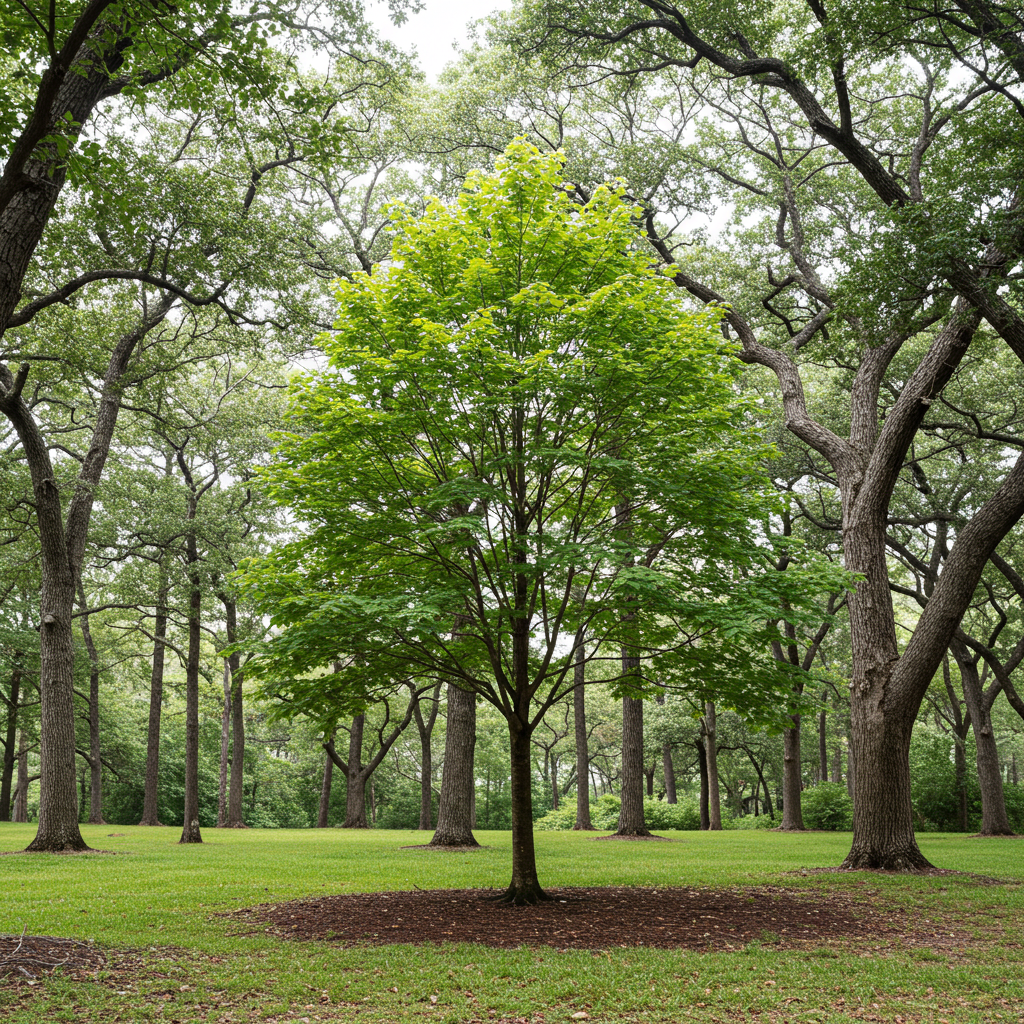
From Sapling to Shade: Understanding the Tampa Tree Lifecycle for Optimal Health
What defines each stage of a tree's lifecycle in Tampa?
Just like any living organism, trees undergo a series of developmental stages, each with its own characteristics and vulnerabilities. Recognizing these stages is the first step toward providing appropriate care and ensuring the long-term health of your trees in the Tampa Bay area.
- Sapling Stage (0-5 years): This is the infancy of a tree. Saplings are young, small, and highly vulnerable. Their primary focus is establishing a strong root system and basic structural framework. During this phase, growth is rapid, but the tree is susceptible to environmental stressors like drought, pests, and physical damage. Proper planting, watering, and protection are paramount.
- Juvenile Stage (5-20 years): As a tree enters its juvenile phase, it gains more strength and height. The canopy begins to develop, and the trunk thickens. While still growing vigorously, the tree is less fragile than a sapling but requires formative pruning to develop a strong structure that can withstand Tampa's winds and future growth. Nutrient needs increase, supporting expanding foliage.
- Mature Stage (20+ years, varies by species): This is the tree's prime. It has reached a significant portion of its maximum height and spread, and its energy is directed more towards maintaining its structure, producing flowers and fruit, and storing energy. Mature trees provide significant environmental and aesthetic benefits, but they require regular professional inspections and maintenance pruning to manage deadwood, address structural weaknesses, and prevent disease.
- Senescent Stage (Varies greatly): The senescent stage marks the natural decline of a tree as it ages. Growth slows significantly, and the tree may become more susceptible to pests, diseases, and internal decay. While still valuable, trees in this stage often require careful monitoring and sometimes strategic removal if they pose a safety risk to property or people.
How do Tampa's climate and environment influence tree growth stages?
Tampa's unique subtropical climate presents both opportunities and challenges for tree growth. Understanding how these environmental factors interact with each tree lifecycle stage is critical for effective tree care in Tampa.
- Heat and Humidity: Our warm temperatures and high humidity mean a longer growing season for many species. However, extreme heat can also cause stress, especially for young saplings and trees not adapted to direct sun. The humidity can also foster certain fungal diseases, making proactive disease management essential.
- Soil Conditions: Much of Tampa features sandy, fast-draining soils. While good for aeration, these soils can be low in organic matter and nutrients, requiring thoughtful fertilization strategies, especially for juvenile and mature trees that demand more resources. Proper mulching helps retain moisture and enrich the soil.
- Storms (Hurricanes and Tropical Storms): Tampa is no stranger to severe weather. Young trees in the sapling and juvenile stages are highly vulnerable to wind damage and can be uprooted easily. Mature trees, while more anchored, can suffer significant branch breakage or uprooting if not properly maintained, especially if they have structural weaknesses. Post-storm assessment and emergency tree services become critical.
- Pests and Diseases: Tampa's climate supports a diverse array of insects and pathogens. Certain pests, like the Ambrosia beetle, and diseases, like Ganoderma root rot, can target trees at specific stages or when they are under stress. Early detection and expert diagnosis are vital to mitigating their impact across the tree's lifespan.
What specific care strategies are essential for each tree lifecycle stage in Tampa?
Tailoring your tree care approach to the specific lifecycle stage is paramount for fostering resilience and maximizing the lifespan of your trees in Tampa. Generic care often falls short of what a tree truly needs at different points in its development.
- Sapling Care:
- Proper Planting: Ensure correct depth and width of the planting hole, and avoid girdling roots.
- Consistent Watering: Regular, deep watering is critical during the first few years, especially during dry spells, to establish a strong root system.
- Protection: Use tree guards to protect against mechanical damage and sunscald. Staking might be necessary in windy areas, but should be removed once the tree is self-supporting.
- Minimal Pruning: Only remove dead, damaged, or crossing branches. Focus on developing a single dominant leader.
- Juvenile Tree Care:
- Structural Pruning: This is a crucial time for formative pruning to establish a strong central leader and well-spaced scaffold branches. This prevents future structural problems and improves wind resistance.
- Fertilization: Conduct soil tests to determine nutrient deficiencies and apply appropriate fertilizers to support vigorous growth.
- Pest and Disease Monitoring: Regularly inspect for early signs of issues and address them promptly.
- Watering: Continue to water deeply during dry periods, although less frequently than saplings.
- Mature Tree Care:
- Regular Inspections: Annual professional inspections are vital to assess tree health, identify potential hazards, and detect early signs of decline or disease.
- Maintenance Pruning: Focus on removing dead, diseased, or hazardous branches, thinning the canopy for better air circulation and light penetration, and reducing end-weight on long limbs.
- Deep Watering: Mature trees still benefit from deep watering during extended dry periods, especially during Tampa's dry season.
- Storm Preparedness: Pruning for hurricane resistance and ensuring structural integrity are key proactive measures.
- Senescent Tree Care:
- Hazard Assessment: Increased risk of limb failure or whole tree failure. Regular professional risk assessments are critical.
- Disease Management: Trees in decline are more susceptible to disease; treatment may focus on slowing progression or managing symptoms for safety.
- Strategic Pruning: Pruning may be limited to removing hazardous deadwood.
- Removal Planning: If a tree becomes a significant hazard, planning for its safe removal becomes necessary.
Why is professional arboricultural expertise vital across a tree's entire lifespan in Tampa?
While homeowners can perform basic care, the intricacies of tree biology, combined with Tampa's specific environmental challenges, make professional arboricultural expertise indispensable throughout a tree's entire lifecycle. Trusting your trees to a certified arborist ensures they receive the highest standard of care.
- Accurate Diagnosis and Treatment: Professional arborists have the knowledge to correctly diagnose tree diseases, pest infestations, and nutrient deficiencies at any stage. Their expert understanding of tree biology means they can recommend and apply the most effective, targeted treatments.
- Specialized Pruning Techniques: Arborists understand how different pruning cuts impact a tree's growth, structure, and health, varying techniques for saplings, juvenile, and mature trees. They perform structural pruning for young trees, hazard reduction pruning for mature trees, and can skillfully remove large, dangerous limbs without causing further damage.
- Proactive Risk Management: For mature and senescent trees, arborists are trained to conduct thorough risk assessments, identifying potential hazards like internal decay, structural weaknesses, or compromised root systems that might not be obvious to the untrained eye. This proactive approach can prevent property damage or injury.
- Guidance on Species Selection and Placement: When planting a new sapling, an arborist can advise on the best tree species for Tampa's climate and soil, ensuring it will thrive and avoid future issues, considering its mature size and site conditions.
- Understanding Local Regulations: Arborists are often familiar with Tampa's tree ordinances, permitting requirements for removal or significant pruning, and protected tree species, ensuring all work is compliant and legally sound.
Understanding the distinct stages of your tree's life and the specific care it requires at each point is the cornerstone of effective tree management in Tampa. From the tender beginnings of a sapling to the majestic presence of a mature tree, every phase presents unique needs and challenges. By recognizing these, you can ensure your trees contribute beauty, shade, and value to your property for generations.
However, the complexities of tree biology and the ever-present environmental factors in Florida mean that professional expertise is often invaluable. Don't leave the health and longevity of your beloved trees to chance. For expert guidance, precise care, and peace of mind at every stage of your tree's lifecycle, contact Tampa Tree Care Specialists today. Our certified arborists are ready to help your trees thrive.
Need Professional Assistance?
Get a free, no-obligation estimate from our expert local team today.